
Retiring in Malta as an American in 2026 is becoming a sought-after option for US citizens seeking a blend of Mediterranean lifestyle, financial security, and welcoming expat communities. As the global climate for retirees continues to change, Malta has emerged as a top contender for those eager to enjoy their golden years in a location that balances old-world charm with modern conveniences. With its year-round sunshine, widespread English usage, and world-class healthcare system, Malta offers unique advantages few other European destinations can match for American retirees.
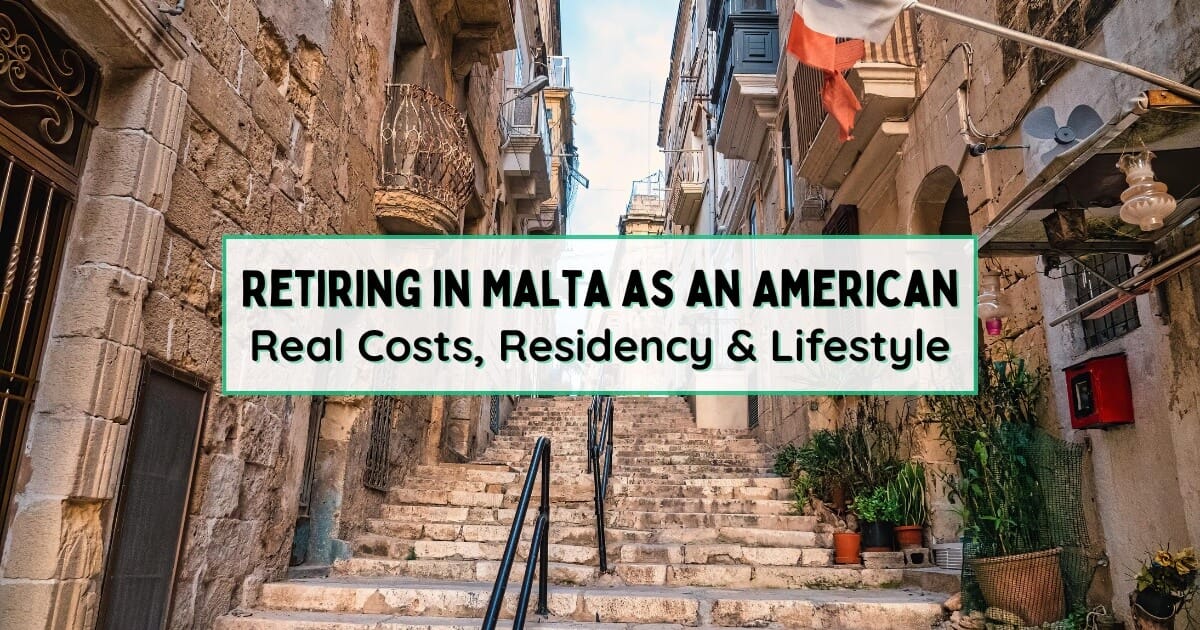
2026 Guide for US Citizens and Permanent Residents
Increasingly, Americans are searching for reliable, up-to-date information on the cost of living in Malta, the various residency options available for retirees, and what day-to-day life truly looks like after moving from the US. Recent updates to Malta’s retirement visa and residency requirements, competitive real estate markets, and robust expat networks have made the transition more accessible—yet there are still important considerations to weigh if you want to maximize your financial and lifestyle benefits.
This guide is crafted specifically for US citizens and permanent residents considering making Malta their retirement base. Here, you’ll discover everything you need to know—from the actual costs of living as a retiree in Malta to navigating the intricacies of taxes and healthcare as an American expat.
Why Americans are Retiring in Malta in 2026
Whether you’re drawn by Malta’s appealing weather, its strategic EU location, or simply looking for a safe, engaging new chapter, this comprehensive 2026 overview will arm you with the knowledge you need to evaluate your options and plan your move with confidence. For an even deeper dive, don’t forget to check out our master guide on how to move to Malta from the USA, where you’ll find step-by-step instructions and real-life insights tailored for American expats.
Why Retire in Malta as an American?
For US citizens considering where to retire abroad, Malta consistently ranks among the top choices in 2026. The nation’s strong combination of Mediterranean sunshine, historic culture, and modern amenities draws Americans searching for both adventure and comfort in retirement. US retirees benefit from over 300 days of sunshine each year, mild winters, and easy access to the Mediterranean Sea, making Malta ideal for an active, healthy lifestyle. More Americans are asking, “Is Malta good for American retirees?”—and the answer is a resounding yes, thanks to the country’s excellent climate, friendliness, and straightforward relocation process.
English Language in Malta: A Major Advantage for US Retirees
One of Malta’s greatest advantages for American retirees is the widespread use of English as an official language. Unlike many other Mediterranean destinations, US citizens moving to Malta face virtually no language barrier. Daily activities, government paperwork, local banking, and healthcare appointments can all be handled in English, simplifying life and making integration smooth for Americans accustomed to English-speaking environments.
Safety in Malta for US Expats and Retirees
Safety is one of the key reasons so many Americans are drawn to retiring in Malta. Malta remains among Europe’s safest countries, with low crime rates and a secure, stable political atmosphere. Whether in the lively streets of Valletta or the peaceful beaches of Gozo, American retirees consistently report high levels of personal safety and community trust, allowing for peace of mind during their retirement years.
Expat Community Life: Finding American Friends in Malta
Retiring in Malta means joining a thriving expat community, with Americans making up a sizable and growing portion of new arrivals each year. Malta offers plenty of opportunities for US retirees to connect with fellow Americans and other internationals through expat clubs, networking events, social media groups, and volunteer organizations. These American-focused groups and activities make it easier than ever to find support, make friends, and quickly feel at home in Malta.
Malta Retirement Visa and Residency Options for US Citizens
For Americans asking, “How can I retire in Malta?”, the country continues to offer attractive visa and residency options tailor-made for retirees in 2026. Unlike many EU nations, Malta maintains several pathways for US citizens to secure long-term residence, including the Malta Permanent Residence Programme (MPRP), the Global Residence Programme (GRP), and the specific Retirement Programme designed for non-EU nationals. Each program offers its own advantages, from tax incentives to the freedom to travel across the Schengen Area, making Malta one of the most accessible and rewarding European retirement destinations for US expats.
Malta’s Retirement Residency Permits: What US Citizens Need to Know
The Maltese Retirement Programme allows eligible Americans to obtain residency by demonstrating a stable income from a pension, private or government source, which must be the main source of income remitted to Malta. Applicants are also required to lease or purchase property within the country at minimum value or rent thresholds, which are updated periodically—typically €9,600 per year in rent for properties on Malta’s main island, or €8,750 for Gozo and the south. Additionally, comprehensive health insurance and proof of good conduct are required.
For Americans seeking more flexibility, the Malta Permanent Residence Programme (MPRP) provides the opportunity for permanent residency through a mix of investment and contribution, without the requirement for physical presence in Malta throughout the year. Meanwhile, the Global Residence Programme (GRP) appeals to those interested in preferential tax rates on foreign income remitted to Malta, and it’s open to non-EU nationals who secure qualifying accommodation and meet annual tax requirements.
Important 2026 Updates to Malta Residency Schemes for Americans
As of September 2025, Malta continues to refine its residency programs to maintain competitiveness and security. Recent updates for US retirees include streamlined digital application processes, slightly increased minimum rent and property value requirements due to Malta’s active real estate market, and new, more rigorous health insurance standards. The government has also enhanced support services for Americans, including dedicated English-language help lines and expedited background checks to minimize visa processing times for retirees.
Step-by-Step Guide: Applying for a Malta Retirement Visa as an American
For Americans ready to begin the process of retiring in Malta, here’s a streamlined, up-to-date application roadmap:
Determine Eligibility:
Confirm a stable income from a pension as your primary earnings, and ensure you can meet the property leasing or purchase criteria.
Choose Your Residency Program:
Decide between the standard Retirement Programme, Malta Permanent Residence Programme (MPRP), or the Global Residence Programme (GRP), based on your financial profile and residency goals.
Secure Housing:
Arrange a qualifying long-term lease or purchase property that meets program requirements, keeping in mind the updated minimum values for 2026.
Arrange International Health Insurance:
Obtain comprehensive coverage, valid across Malta and Schengen countries, as required for all non-EU retirees.
Prepare Documentation:
Gather all necessary paperwork, including proof of pension income, background checks, health insurance policies, and property contracts.
Submit Application:
Complete the digital application through Malta’s residency portal or your chosen accredited agent. Pay all relevant fees and submit your supporting documents.
Attend Biometrics & Interview:
Once your initial application is reviewed, you will be scheduled for a biometrics appointment and, in some cases, a short residency interview with authorities.
Approval & Residence Card Issuance:
Upon approval, you’ll receive your official Malta residence card, allowing you to settle in your new Mediterranean home.
Malta’s flexible, supportive programs make it very possible for Americans to retire abroad in comfort and security, with a system that welcomes US retirees seeking a rewarding international lifestyle. For full details on each programme and personalized application help, don’t miss our comprehensive guide on how to move to Malta from the USA.
Cost of Living in Malta for American Retirees in 2026
For many US citizens, understanding the cost of living in Malta for American retirees in 2026 is essential to planning a successful and stress-free relocation. While Malta remains more affordable than many US cities and other Western European countries, prices have gradually increased due to growing expat demand, limited housing supply, and cost-of-living adjustments nationwide. Still, retirees from the USA will find that their dollar can provide a high-quality lifestyle, especially when compared to major metropolitan areas in the United States.
Housing and Rent in Malta: Best Neighborhoods and Average Prices
Housing is typically the largest expense for American retirees in Malta. The average monthly rent for a one-bedroom apartment ranges from €950 to €1,350 in highly desirable neighborhoods such as Sliema, St. Julian’s, and Valletta. In less central or more tranquil areas like Gozo, Marsaskala, or the southern parts of Malta, rents can be found closer to €750 to €1,000 per month. Short-term lets catering to expats may be at the higher end of this spectrum, while long-term leases often offer more competitive rates.
Purchasing property is increasingly popular among US retirees seeking investment or stability, with buyers looking at minimum prices starting at €200,000 for smaller flats in less central locations, and upwards of €350,000–€500,000 for high-demand, centrally located apartments with sea views. The best neighborhoods for Americans tend to be those with easy access to amenities, English-speaking communities, and a mix of historic charm and modern comforts.
Monthly Costs: Utilities, Food, Healthcare, and Transportation
Beyond housing, the cost of utilities, food, healthcare, and transportation all contribute to a retiree’s overall expenses. Monthly utilities—including electricity, water, and internet—generally cost between €100 and €180 for a modest-sized apartment, although usage can vary depending on air conditioning in the summer months. Grocery prices are moderate: a typical couple can expect to spend €350–€500 monthly on a mix of local and imported foods, enjoying the fresh produce from neighborhood markets and supermarkets.
Healthcare is a major consideration for US retirees. Many choose to supplement Malta’s public system with comprehensive private health insurance, which may cost €80–€200 per month per person, depending on age and coverage level. Malta’s outpatient costs and prescription prices remain very reasonable by US standards.
Transportation in Malta for retirees is also budget-friendly. Since the island is compact and well-connected, most Americans can rely on public buses, which offer senior discounts, with a monthly pass costing about €26. Taxis, ferries, and the occasional rental car are readily available but infrequently necessary for day-to-day living, especially in walkable towns.
Sample Budget for Single and Couple Retirees in Malta
A realistic sample budget for a single American retiree in Malta in 2026 would range from €1,500 to €2,200 per month, depending on housing choices and lifestyle preferences. For retired couples, this figure generally falls between €2,300 and €3,000 monthly. These estimates include rent, utilities, groceries, personal expenses, private health insurance, and leisure activities. Those seeking luxury amenities, frequent dining out, or larger accommodation should adjust their estimates accordingly.
Overall, the cost of living in Malta for American retirees enables a comfortable, fulfilling, and socially engaging lifestyle, with flexibility for both budget-conscious and more affluent US expats. For even more detailed cost breakdowns and relocation advice, refer to our complete guide to moving to Malta from the USA.
For more details about cost of living and integration in Malta, visit our comprehensive moving guide: How To Move To Malta From USA: Everything You Need To Know.
Healthcare in Malta for US Expats and Retirees
Healthcare in Malta for American expats and retirees continues to be a major attraction for US citizens seeking quality, affordability, and peace of mind. Malta’s healthcare system is renowned for its accessibility, efficiency, and high standard of care—often surpassing what’s available to many Americans at home. For US retirees, the transition is made even smoother by Malta’s widespread use of English throughout hospitals and clinics, making everything from simple doctor’s visits to more complex procedures stress-free and straightforward.
Public vs. Private Healthcare Options in Malta for US Retirees
The Maltese healthcare system is divided into public and private sectors, giving American expats a high degree of flexibility in managing their medical needs. The public health system is funded by the state and offers free or heavily subsidized care to legal residents, including routine doctor’s appointments and emergency treatment. However, as a newly arrived American retiree, access to public services is only guaranteed once residency is approved; during the initial relocation period, private health insurance is a necessity.
Private healthcare in Malta is both accessible and affordable, with many US expats opting for private clinics or hospitals for shorter wait times and wider provider choice. Many private doctors were trained in the UK or other EU countries and are fluent in English. Most medications, prescriptions, and diagnostic services are readily available and cost significantly less than in the United States.
Required Health Insurance for US Retirees in Malta
To qualify for most retirement residency permits, American retirees are required to have comprehensive private health insurance that covers all medical treatment in Malta as well as within the wider Schengen Area. Authorities have raised standards, requiring proof of an international policy with a minimum threshold for in-patient and out-patient care. Most policies range from €80–€200 per month per person, depending on age and medical history. This ensures uninterrupted access to quality care for retirees while protecting against unexpected medical expenses.
American expats in Malta generally find the blend of public and private healthcare options reassuring, with many choosing to use private coverage during their first years, then supplementing or switching to the public system once fully settled and eligible for state healthcare.
Taxes and Pensions: Financial Overview for US Retirees in Malta
* It is important to consult a tax professional when applying strategies to your individual relocation situation.
One of the most frequently searched questions among US retirees considering Malta is, “Do Americans pay US taxes if living in Malta?”—and the answer is generally yes. Even if you relocate to Malta as a permanent resident or retiree, the IRS requires US citizens and green card holders to report their worldwide income and file annual tax returns, regardless of where they live. However, strategies such as the Foreign Earned Income Exclusion, Foreign Tax Credit, and certain treaty benefits can minimize double taxation and optimize your tax position.
Malta Tax Treatment of Pensions, Social Security, and Investments for American Expats
Malta applies a territorial system, meaning that foreign-sourced income remitted to Malta is taxable under local law. For American retirees, this principally affects US pensions, 401(k) distributions, social security payments, and investment income. Pensions and social security income remitted to Malta may be taxed at preferential flat rates under the Global Residence Programme or Retirement Programme, typically ranging from 15% to 35% depending on the structure and amount. However, pension income not remitted to Malta is generally not taxable locally. To avoid surprises, consult a tax advisor well-versed in both US and Maltese systems before transferring funds.
Understanding the US-Malta Double Taxation Agreement
To protect American expats from paying tax twice on the same income, the US and Malta maintain a Double Taxation Agreement (DTA). This treaty ensures that taxes paid on eligible pensions, investments, and other income in one country can typically be credited or exempted in the other, within prescribed limits.
It’s important for US retirees to keep thorough records and file all required forms with both the IRS and Maltese tax authorities each year, maximizing allowable credits and exclusions. Retirees must also ensure compliance with regulations such as FBAR and FATCA for reporting foreign bank accounts and assets.
Setting Up Banking and Transferring Retirement Income to Malta
Opening a local bank account in Malta is a must for efficient money management. Most major Maltese banks, including BOV and HSBC Malta, cater to US expats and understand the requirements around pension transfers and regular social security deposits. After obtaining residency, you’ll need to provide your passport, residence card, proof of address, and occasionally evidence of income source when opening an account.
Many retirees set up regular wire transfers from their US bank or pension provider, taking advantage of competitive exchange rates and online banking options. For security and compliance, ensure all accounts and transfers are properly declared each year as required by US and Maltese authorities.
With careful planning and sound financial advice, American retirees in Malta can optimize their tax situation, safeguard their income, and enjoy a worry-free retirement in one of the world’s most welcoming expat destinations.
Best Places in Malta to Retire as an American
Choosing the best places in Malta for American retirees is a crucial step in crafting the ideal Mediterranean lifestyle. In 2026, more US expats are gravitating toward neighborhoods and towns that offer a harmonious blend of comfort, rich culture, and practical amenities. Thanks to Malta’s small size and excellent public transport, it’s easy to enjoy the entire island, but specific areas continue to stand out for the American retiree community.
Valletta: History, Walkability, and Vibrant Expat Life
Valletta, Malta’s UNESCO-listed capital, remains a favorite for retirees seeking an immersive experience in history, art, and Mediterranean charm. The city’s pedestrian-friendly streets, abundant cafés, and waterfront promenades make it perfect for daily outings. Valletta enjoys excellent healthcare access, cultural venues, and English-speaking services, making adjustments especially easy for Americans. Property prices in Valletta are on the higher side, but the unique atmosphere is unmatched for retirees desiring an energetic, urban setting.
Sliema and St. Julian’s: Modern Conveniences and Expat-Friendly Living
For US retirees who want a lively social scene, easy access to shopping, and panoramic sea views, Sliema and neighboring St. Julian’s consistently rank among the best places in Malta for American expats. These areas are known for their modern apartment complexes, active marina scenes, international restaurants, and vibrant expat networks. English is spoken everywhere—from pharmacies to local libraries—making daily life seamless, while reliable public transport connects residents to the rest of the island. Sliema and St. Julian’s are especially attractive for those who prioritize convenience and social engagement.
Gozo: Tranquility and Community Connections for American Retirees
Retirees seeking a quieter lifestyle often look to Gozo, Malta’s peaceful sister island. Here, American expats enjoy a slower pace, picturesque countryside, and tight-knit village communities. Gozo offers lower property prices, serene beaches, and a close connection to nature, all while maintaining good access to healthcare and essential services.
English is widely spoken, and social opportunities abound through local clubs and cultural events. Gozo is ideal for US citizens who crave Mediterranean beauty, relaxation, and a welcoming community away from the busier pace of Malta’s main island.
Other Top Maltese Neighborhoods for US Expats
Other noteworthy areas for American retirees in Malta include Marsaskala, famed for its local charm and seafront promenades, and Mdina, the ancient “Silent City” with its peaceful ambience and stunning architecture. Each neighborhood has its strengths, but all excel in providing amenities, English-language accessibility, and a warm community feel that makes American retirees feel truly at home in Malta.
As you weigh your options, visit several regions to find the perfect fit and consider reaching out to local expat groups for insider perspectives. For detailed relocation tips and the latest community insights, our complete guide to moving to Malta from the USA is your best resource.
Real Life: What’s It Like Retiring in Malta? American Retiree Experiences in Malta
Many American retirees who settle in Malta remark on the unique blend of Old World charm and modern convenience. Daily life often revolves around enjoying Malta’s sunny climate, engaging in outdoor activities, and participating in cultural or expat events throughout the year.
Day-to-Day Life for Americans Retiring in Malta
Popular neighborhoods such as Sliema, St. Julian’s, and Gozo offer lively social scenes, easy access to restaurants, and scenic sea views. According to multiple recent accounts, the affordability and simplicity of daily living make Malta an appealing retreat.
“Our lifestyle, healthy diet, and healthcare are great and affordable.” – retiree couple featured in Business Insider
US expats typically enjoy strolls along waterfront promenades, relaxed afternoons in sidewalk cafés, and organized meetups with other Americans and international residents.
Community Involvement and Activities in Malta’s Expat Scene
The sense of community among retirees in Malta is strong. Meetups, social clubs, and volunteer opportunities are abundant, helping newcomers build friendships and support networks quickly.
“It was really easy to meet people. There were a lot of Meetup and Internations groups. Everyone was very friendly and welcoming, probably because we all had the same experience of leaving family and friends and coming to a new place.” – American expat mentioned on PoppinSmoke
Whether joining walking tours, attending lectures, or exploring Malta’s historic sites, American retirees are rarely at a loss for engaging activities and community connections.
Can Americans retire in Malta with a pet?
Yes, Americans can bring their pets to Malta, but it’s important to follow the EU pet import rules—including microchip registration, valid rabies vaccination, and submission of an EU pet passport. Many retirees report successfully relocating with their dogs or cats and note the pet-friendly nature of Maltese neighborhoods and villages. Local resources and veterinarians can assist with the process, making it easier to ensure your pet’s smooth transition. See our moving guide for more on this topic and the steps involved.
Is Malta safe for senior American expats?
Safety consistently ranks as a top benefit for Americans retiring in Malta. Expat guides and real-life forums highlight Malta’s low crime rate and stable political climate, with many US retirees sharing that they feel more secure in Malta than in their former US cities. As one expat observed in a recent interview, “Malta is known for its low crime rates, making it a safe place to live and retire.” Public transport is safe and accessible, medical care is prompt, and communities look out for senior members, further supporting a sense of well-being.
Real-life accounts and expat communities affirm that retirement in Malta provides American seniors not only with an active, fulfilling lifestyle but also the security and comfort needed for a rewarding golden chapter.
Problems Americans Face When Retiring in Malta
While Malta is frequently praised for its welcoming climate, active expat scene, and Mediterranean pace of life, it is important for those considering retiring as an American in Malta to understand the challenges that may arise—especially as Malta’s popularity among US retirees grows in 2026. Being realistic about these issues helps set clear expectations and ensures a smoother transition once you arrive.
Navigating Cost and Affordability for American Retirees in Malta
One of the most common problems Americans face when retiring in Malta is the rising cost of housing and daily living expenses. Demand for quality rental properties in sought-after locations like Sliema, St. Julian’s, and Valletta has driven prices up considerably, especially for apartments with sea views and modern finishes.
While Malta is often still less expensive than major US metro areas, new retirees may experience some sticker shock compared to less popular European destinations. Additionally, imported goods, household appliances, and certain foods can come at a premium due to Malta’s island geography, making careful budgeting important.
Dealing with Bureaucracy During Retirement Relocation
The Maltese bureaucracy can be slow and, at times, confusing for American retirees unfamiliar with local processes. Applying for residency permits, property registration, and transferring pensions may involve considerable paperwork, translations, and in-person visits to government offices.
Some expats express frustration with the time it can take to receive documents, approvals, or identity cards, especially during peak moving seasons. Having support from local professionals or relocation services, and maintaining patience with administrative procedures, will ease the experience.
Housing Availability and the Expat Real Estate Market
Another ongoing challenge for American retirees is Malta’s limited housing stock, particularly in popular urban centers. The real estate market is highly competitive, with high demand from both international buyers and Maltese locals. As a result, retirees may need to act quickly to secure a suitable rental or be flexible about their preferred neighborhood, amenities, or property size. It’s wise to begin searching for housing well in advance and consider alternative areas, such as Gozo or southern Malta, where prices are typically lower and competition less intense.
Cultural Adaptation: Adjusting to Life in Malta as a US Retiree
Cultural adaptation is another factor that can affect American retirees settling in Malta. Although English is widely spoken and the expat community is large, Maltese customs, communication styles, and daily rhythms can differ significantly from what Americans are used to.
Shops may close for extended lunch breaks; local traditions and festivals are integrated deeply into the calendar; and the pace of customer service can be slower and more relaxed. Successfully adapting to these new rhythms is part of the adventure, but flexibility, openness, and a sense of humor go a long way toward smoothing the transition.
By preparing for these common challenges—rising costs, bureaucratic complexities, real estate competition, and cultural differences—Americans can better position themselves for a successful and enjoyable retirement in Malta.
Frequently Asked Questions About Retiring in Malta as an American
Can Americans retire in Malta?
Yes, Americans can retire in Malta by qualifying for various residency programs such as the Malta Retirement Programme or Permanent Residence Programme. Eligibility typically requires pension income, health insurance, and leasing or buying qualifying property.
How much does it cost for an American retiree to live in Malta in 2026?
Single American retirees in Malta usually spend between €1,500 and €2,200 per month, while couples average €2,300 to €3,000 monthly for housing, food, insurance, and everyday expenses.
Is Malta good for American retirees?
Malta is an excellent destination for American retirees because of its sunny climate, strong expat network, widespread use of English, robust healthcare, and straightforward residency rules.
Do Americans pay US taxes if living in Malta?
Yes, US citizens must still file annual tax returns and report global income even if living in Malta. However, tax treaties and credits can help retirees avoid double taxation on their retirement income.
How can American retirees get healthcare in Malta?
New US retirees need private health insurance in Malta when they arrive and as part of the residency process. Once residents, they can access Malta’s respected public healthcare system, and private insurers also offer extensive options for expats.
Can US citizens buy property in Malta?
Yes, US citizens can purchase property in Malta, especially within Special Designated Areas (SDAs) where there are no restrictions for foreign buyers.
What are the best places in Malta for American retirees?
Top choices for American retirees include Sliema, St. Julian’s, Valletta, and Gozo, all of which offer English-speaking services, expat-friendly communities, and great amenities.
Can I bring my pet to Malta when retiring from the USA?
Yes, Americans can bring pets to Malta if they follow EU animal import rules, which include microchipping, updated rabies vaccinations, and an official pet passport.
Are there common problems Americans face when retiring in Malta?
Common issues include high rental costs in popular areas, complicated bureaucracy, housing market competition, and adapting to Malta’s slower Mediterranean pace.
How do American retirees transfer pension income to Malta?
US retirees can transfer their pension to a Maltese bank account using international wire transfers. It’s important to report foreign accounts to US tax authorities and seek advice for tax compliance and the best transfer methods.
Official Malta Residency & Retirement Sources
For accurate, current guidance about retiring or obtaining permanent residency in Malta, consult these government resources before starting your application:
- Review the full Malta Permanent Residence Programme details, eligibility requirements, and application process on the Residency Malta Agency official website
- For comprehensive information on permanent residence applications for EU and third-country nationals, visit the Identità—Malta Government Expatriates Unit
These official portals provide government-verified details about Malta residency, retirement visas, due diligence, property criteria, and health coverage for new expats.