Importing a vehicle from the United States to Costa Rica can be a complex process, but with the right preparation, it’s entirely manageable. For expats moving to Costa Rica for residency, bringing your car can provide convenience and comfort as you settle into your new life. However, Costa Rica has strict regulations regarding vehicle imports, and the process involves several steps, fees, and inspections. This guide will walk you through everything you need to know, from vehicle eligibility to residency requirements, taxes, driver’s license necessities, and tips for a smooth transition.
This guide is specific to vehicle importation. If you’d like a comprehensive guide that will cover all aspects of the move to Costa Rica, check out our ultimate guide How To Move To Costa Rica From The USA.
Key Considerations Before Importing a Vehicle
Before diving into the process, it’s important to understand a few key points that will shape your approach. First, Costa Rica has specific rules about the types of vehicles that can be imported, and these rules vary depending on whether you’re a temporary or permanent resident. Additionally, the country imposes high taxes on imported vehicles, which can significantly increase the overall cost. Finally, the process can take several weeks or even months, so it’s essential to plan ahead.
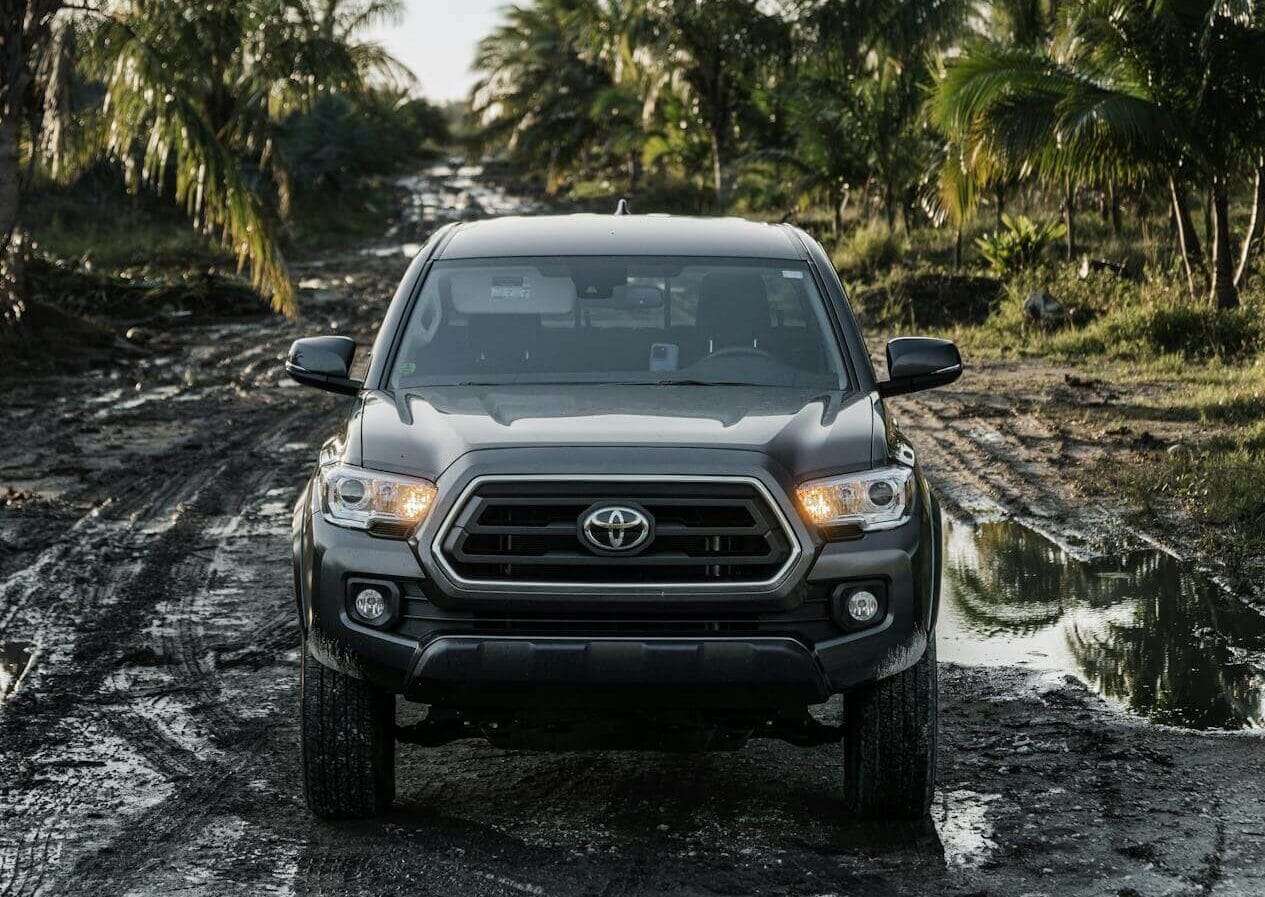
Import a Vehicle to Costa Rica
Step 1: Understand Residency Requirements
Costa Rica allows both temporary and permanent residents to import vehicles, but the rules differ depending on your residency status.
Temporary Residency
If you’re moving to Costa Rica on a temporary residency visa, you can bring your vehicle duty-free for personal use. However, you must export the vehicle when your residency ends. Temporary residents are also limited to importing one vehicle per household.
Permanent Residency
Permanent residents can import a vehicle without the obligation to re-export it. However, they must pay import duties and taxes, which can be substantial. Permanent residents are also allowed to import only one vehicle per household.
Step 2: Determine Your Vehicle’s Eligibility
Not all vehicles can be imported into Costa Rica. The country has strict regulations regarding vehicle age, emissions, and safety standards. These rules vary depending on whether your vehicle is new or used.
Newer Vehicles (Less Than 5 Years Old)
Newer vehicles are generally easier to import, as they are more likely to meet Costa Rica’s emissions and safety standards. However, they are subject to higher taxes, which are calculated based on the vehicle’s market value.
Older Vehicles (5 Years or Older)
Older vehicles face stricter regulations. Costa Rica prohibits the import of vehicles older than 10 years, with some exceptions for classic or collector cars. Additionally, older vehicles must pass rigorous inspections to ensure they meet safety and emissions standards.
Step 3: Gather Required Documents
Importing a vehicle to Costa Rica requires a variety of documents, including:
- Proof of Ownership: This includes the vehicle title and registration.
- Bill of Sale: A document showing the purchase price of the vehicle.
- Original Manufacturer’s Certificate: This certifies the vehicle’s specifications and compliance with safety standards.
- EPA-Approved Emissions Certificate: Proof that the vehicle meets Costa Rica’s emissions standards. This must be completed within 30 days of shipment.
- Residency Documentation: Proof of your temporary or permanent residency status.
- Import Permit: Obtained through the Costa Rican Customs Office (Dirección General de Aduanas).
It’s important to note that all documents must be translated into Spanish by a certified translator and authenticated with an Apostille or by the Costa Rican consulate in the U.S.
Step 4: Pay Import Duties and Taxes
Costa Rica imposes high taxes on imported vehicles, which can significantly increase the overall cost. The taxes are calculated based on the vehicle’s CIF value (Cost, Insurance, and Freight) and include:
- Customs Duty: Ranges from 52% to 79% of the vehicle’s value, depending on its age and type.
- Value-Added Tax (VAT): 13% of the vehicle’s value.
- Selective Consumption Tax: An additional tax that varies depending on the vehicle’s value and emissions.
For example, importing a newer vehicle with a market value of 20,000 could result in taxes and fees totaling 10,000 or more. It’s essential to budget for these costs before starting the import process.
Step 5: The Vehicle Import Process
Importing via Sea
If you choose to ship your vehicle, it will typically arrive at one of Costa Rica’s two main ports: Moin (Limon) on the Caribbean coast or Caldera on the Pacific coast. Shipping costs from Miami are approximately $1,000 for roll-on/roll-off (RoRo) shipping, though container shipping is available at a higher cost for added protection. Maritime freight insurance is highly recommended, as it covers damage during transit, unlike standard shipping insurance.
Driving Your Vehicle to Costa Rica
If you plan to drive your vehicle through Mexico and Central America to Costa Rica, you’ll need to navigate the following:
Border Crossings
Enter Costa Rica through approved crossings, such as Peñas Blancas (Nicaragua-Costa Rica border). Ensure you have all required documentation, including your driver’s license, vehicle title, and proof of insurance.
Temporary Import Permit
At the border, you’ll need to obtain a temporary import permit for your vehicle, which is typically valid for 90 days. This permit requires a refundable deposit, which is returned when you leave the country.
Insurance
Costa Rican law requires local vehicle insurance, which can be purchased at the border or in advance.
Road Conditions
Be prepared for varying road conditions, including unpaved roads in rural areas. Ensure your vehicle is in good condition for the journey.
At the Port of Entry
When your vehicle arrives in Costa Rica, it will be inspected by customs officials. You’ll need to present your import permit, proof of ownership, and other required documents. The customs office will assess the vehicle’s value and calculate the applicable taxes and duties.
Vehicle Inspection
After clearing customs, your vehicle must undergo a technical inspection to ensure it meets Costa Rica’s safety and emissions standards. This inspection is conducted by the Ministry of Public Works and Transport (MOPT). If your vehicle requires modifications, you’ll need to complete these before it can be registered.
Vehicle Registration
Once the inspection is complete, you’ll need to register your vehicle with the National Registry (Registro Nacional). This involves paying a registration fee and providing the following documents:
- Customs Clearance Certificate: Issued by the customs office.
- Technical Inspection Certificate: Issued by MOPT.
- Proof of Tax Payment: Receipts for customs duties, VAT, and other taxes.
- Residency Documentation: Proof of your residency status.
After registration, you’ll receive Costa Rican license plates and a registration certificate.
Step 6: Obtain a Costa Rican Driver’s License
If you’re moving to Costa Rica permanently, you’ll need to obtain a Costa Rican driver’s license. The process varies depending on your residency status and whether you already have a valid U.S. driver’s license.
Temporary Residents
Temporary residents can use their U.S. driver’s license for up to 90 days. After that, you’ll need to obtain a Costa Rican license. The process involves:
- Passing a Written Test: The test is available in English and covers Costa Rican traffic laws and road signs.
- Passing a Practical Driving Test: This includes a road test to demonstrate your driving skills.
- Providing Required Documents: This includes your passport, residency card, U.S. driver’s license, and proof of address in Costa Rica.
Permanent Residents
Permanent residents must obtain a Costa Rican driver’s license within 90 days of arriving in the country. The process is similar to that for temporary residents but may require additional documentation, such as a certified translation of your U.S. driver’s license.
It’s important to note that Costa Rica does not allow the exchange of a U.S. driver’s license for a Costa Rican one, so you’ll need to take both the written and practical tests regardless of your driving experience.
Tips for a Smooth Vehicle Import Process
- Work with a Customs Broker: Navigating the import process can be complex, especially if you’re not fluent in Spanish. A customs broker can help you with paperwork, inspections, and compliance.
- Budget for Costs: Importing a vehicle to Costa Rica can be expensive, so make sure to budget for taxes, fees, and potential modifications.
- Plan Ahead: The import process can take several weeks or even months, so start early to avoid delays.
- Keep Copies of All Documents: You’ll need to provide various documents throughout the process, so keep copies for your records.
- Learn Spanish Traffic Laws: Familiarize yourself with Costa Rican traffic laws and driving customs to stay safe on the road.
Frequently Asked Questions
Can I sell my imported vehicle in Costa Rica?
Yes, once your vehicle is registered in Costa Rica, you can sell it. However, you must notify the authorities and transfer ownership.
Do I need to modify my vehicle to meet Costa Rican standards?
It depends on the vehicle. Newer vehicles may require modifications to meet Costa Rica’s safety and emissions standards, while older vehicles are generally exempt.
Can I import a motorcycle?
Yes, the process for importing a motorcycle is similar to importing a car. However, fees and taxes may be lower, depending on the motorcycle’s value.
How long does the import process take?
The process can take several weeks or even months, depending on the complexity of your case and the efficiency of the customs office.
Final Thoughts
Importing a vehicle to Costa Rica is a detailed process that requires careful planning and attention to detail. While it might seem overwhelming at first, breaking it down into manageable steps makes it far less daunting. Whether you’re bringing your car temporarily or permanently, the key is to stay organized, double-check requirements, and seek help when needed—especially from a customs broker or legal expert if you’re unsure about any part of the process.
For many expats, having their own vehicle in Costa Rica is a game-changer. It offers the freedom to explore the country’s stunning beaches, lush rainforests, and vibrant cities at your own pace. Just remember to factor in the costs, from taxes to insurance, and be prepared for the occasional bureaucratic hurdle. It’s all part of the adventure of living abroad.
If you’ve made it this far, you’re already well on your way to making your move to Costa Rica smoother and more enjoyable. Take it one step at a time, and soon enough, you’ll be driving through Costa Rica’s scenic roads with ease.